Classification and Review
It involves reviewing a vast number of documents to identify and separate the relevant ones.
Our website has a fresh new look.
Data Analytics
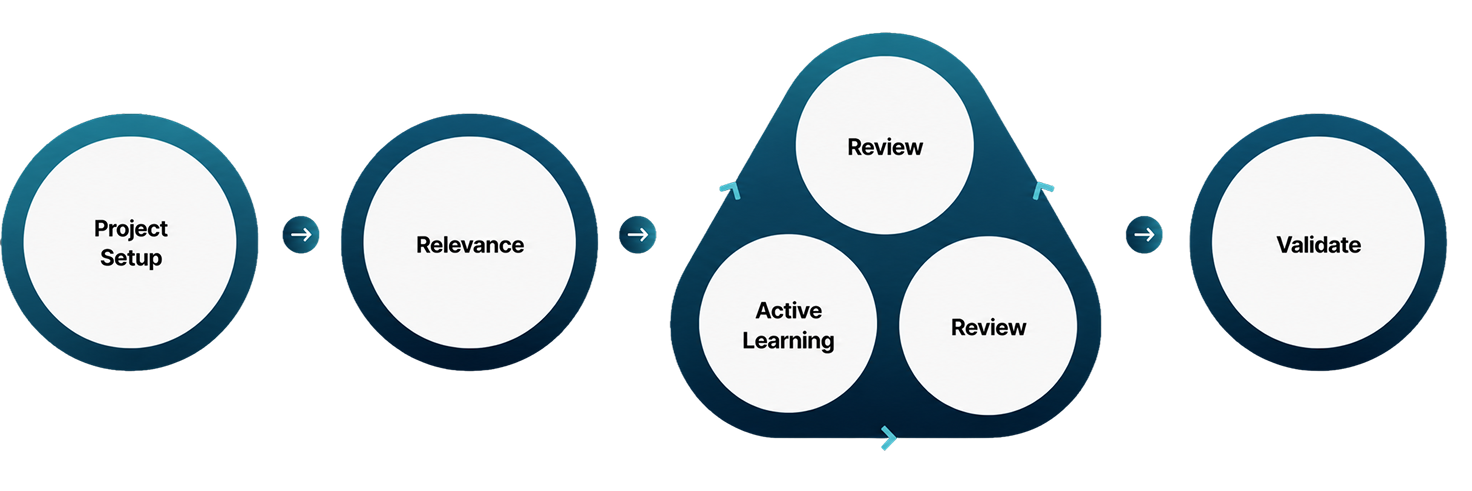
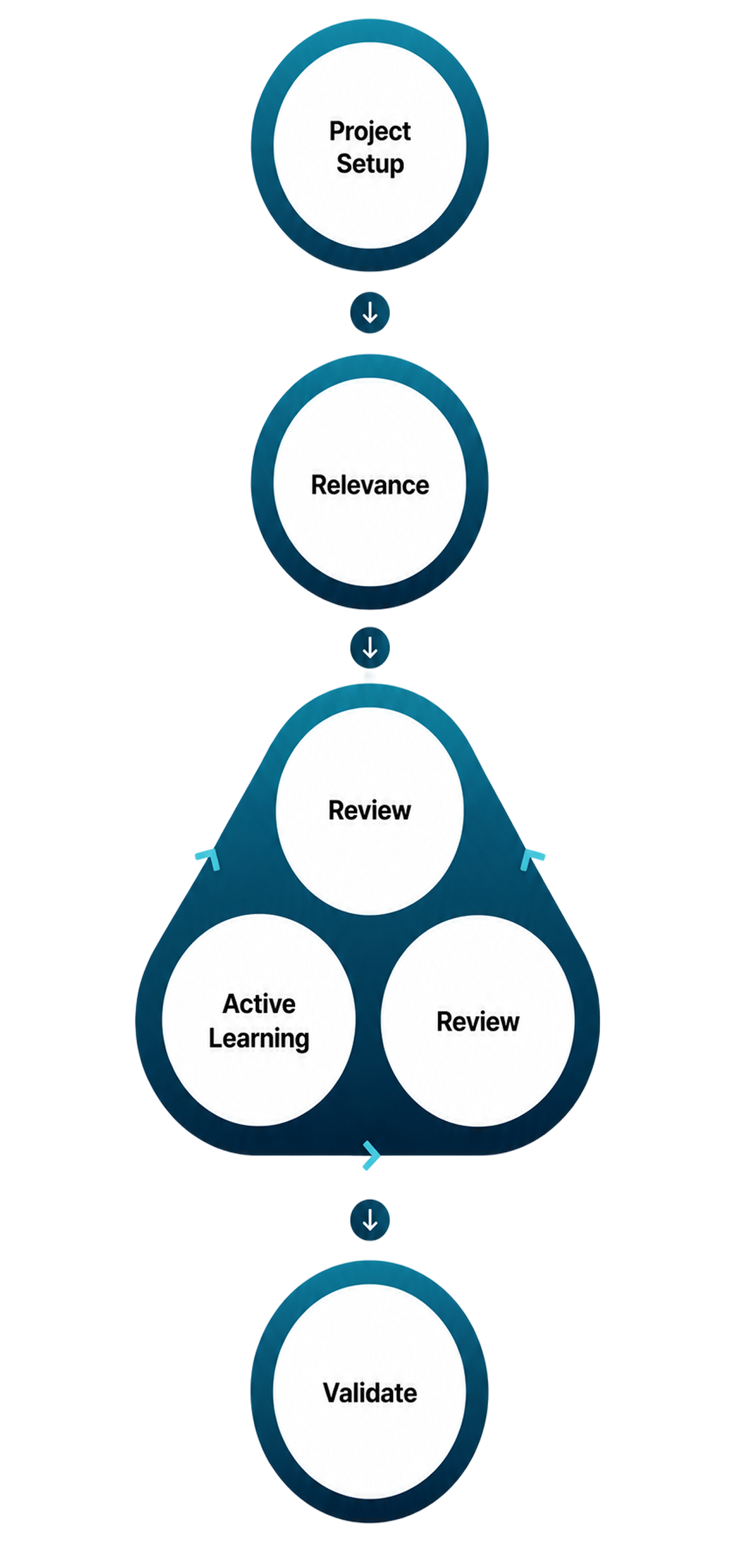
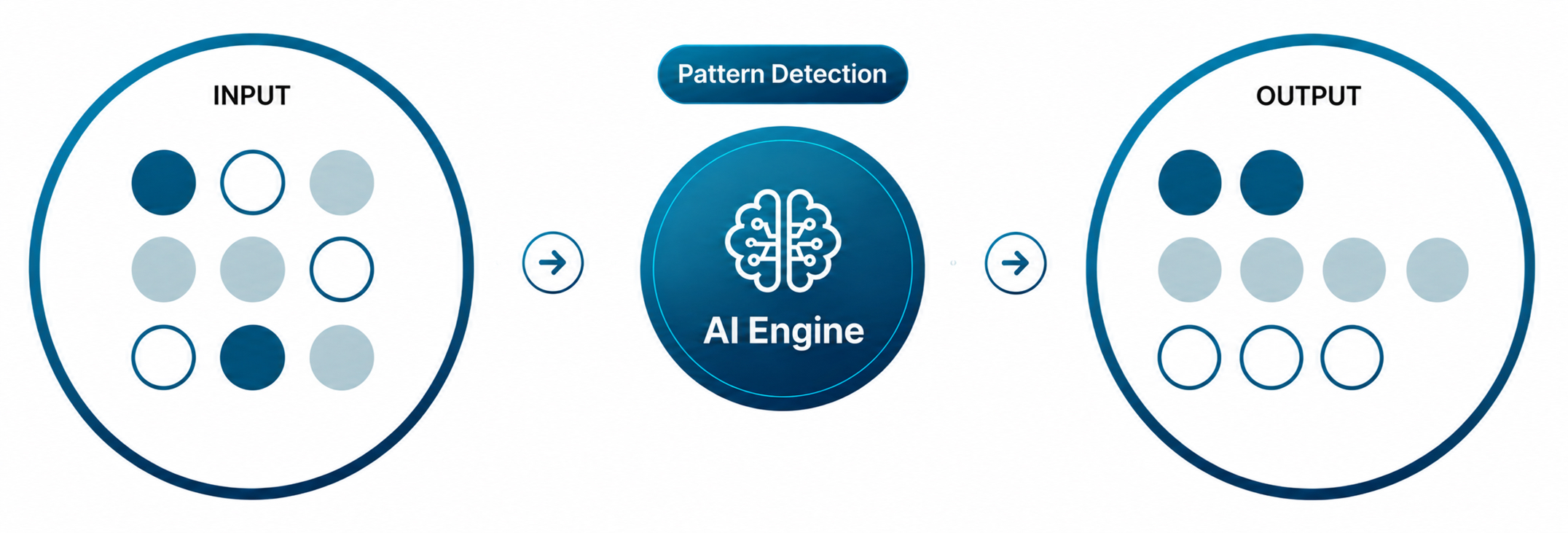
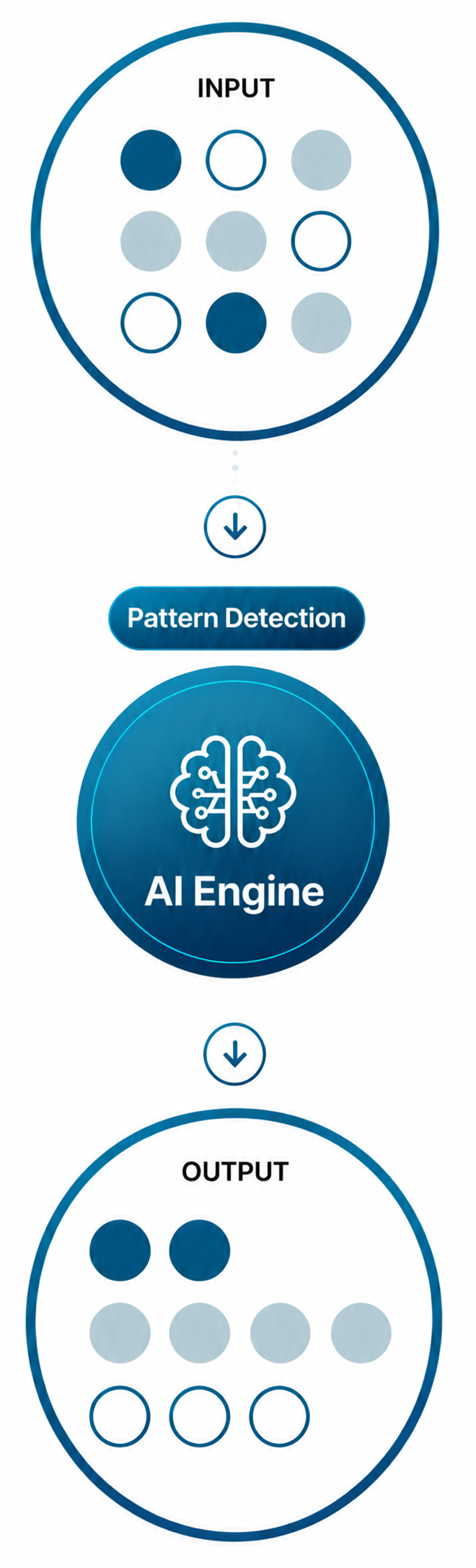
Active Learning is a specialized machine learning technique where AI interacts with the user (human reviewer) to make decisions more dynamically. This approach helps identify decision criteria by minimizing uncertainty in the results, enhancing the accuracy of relevance selection, and allowing for quick derivation of precise outcomes.
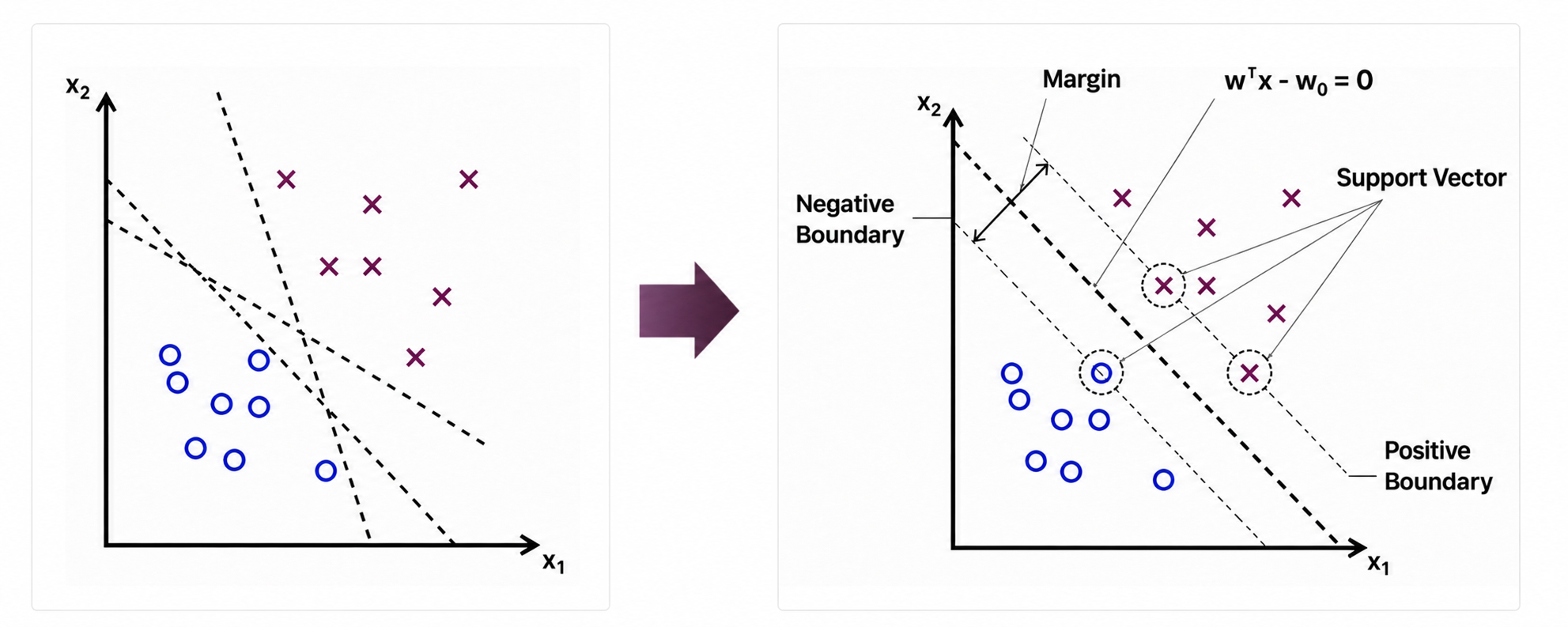
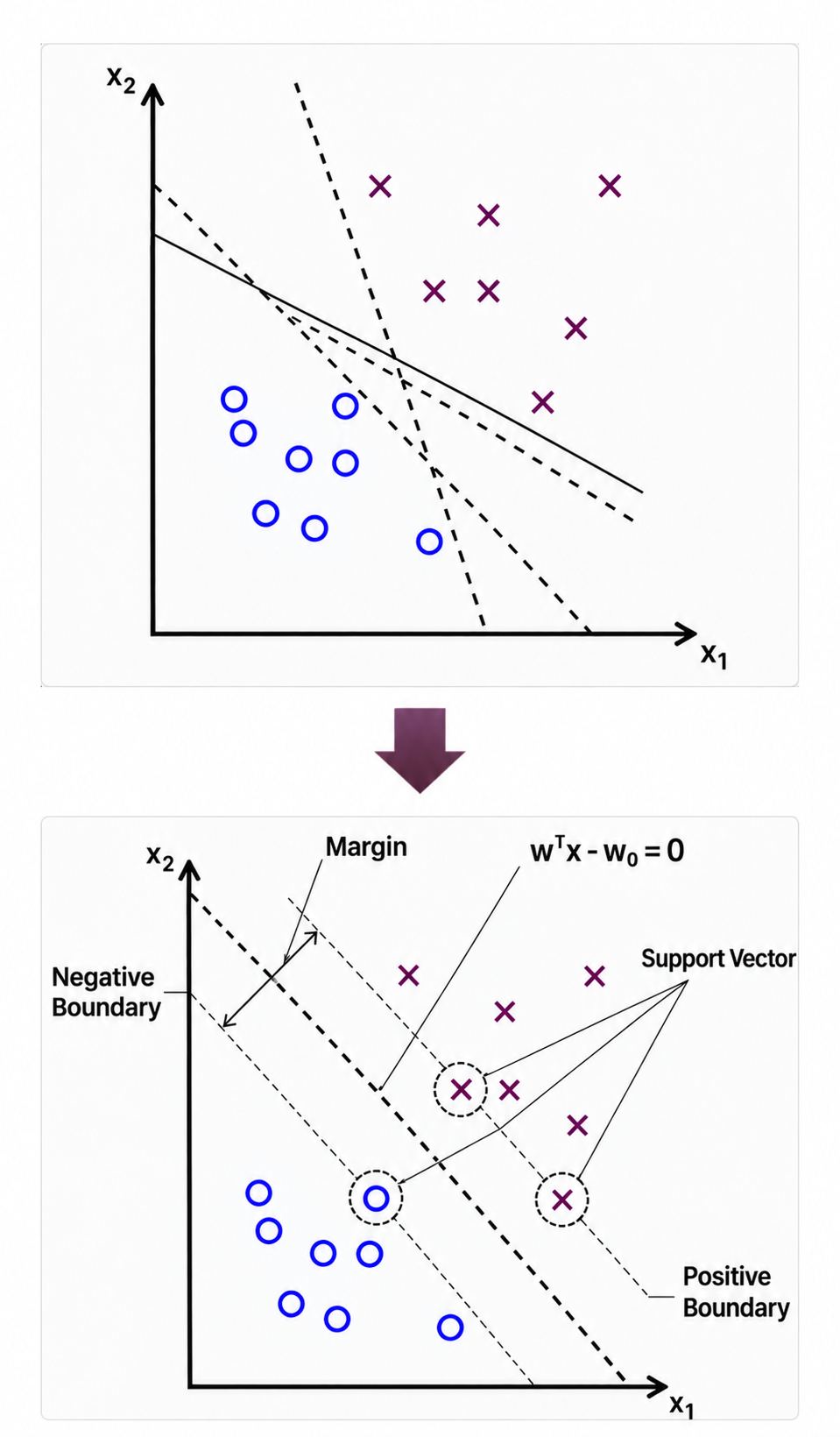
It is a type of machine learning technique called a Binary Classification model, which determines which category given data belongs to. After recognizing patterns in training data, it makes decisions based on the boundary between two groups' support vectors. When the boundary is unclear, the system actively seeks to find the criteria, enhancing decision-making accuracy.
Data Analytics
Active Learning is a specialized machine learning technique where AI interacts with the user (human reviewer) to make decisions more dynamically. This approach helps identify decision criteria by minimizing uncertainty in the results, enhancing the accuracy of relevance selection, and allowing for quick derivation of precise outcomes.
It is a type of machine learning technique called a Binary Classification model, which determines which category given data belongs to. After recognizing patterns in training data, it makes decisions based on the boundary between two groups' support vectors. When the boundary is unclear, the system actively seeks to find the criteria, enhancing decision-making accuracy.
This AI-based document review technology learns relevance criteria from user feedback and prioritizes reviewing highly relevant documents first.
It involves reviewing a vast number of documents to identify and separate the relevant ones.

Based on the insights provided by experts, the AI analyzes and categorizes the remaining data.

Through real-time learning, AI analyzes the desired data and prioritizes reviewing highly relevant documents.
Active Learning is a specialized machine learning technique where AI interacts with human reviewers to dynamically refine decision-making criteria. This approach minimizes result uncertainty, enhances relevance selection accuracy, and quickly produces precise outcomes by continuously learning from the feedback provided by users.
The Active Learning technique allows real-time document analysis and helps users prioritize reviewing the most relevant documents.
This is a type of machine learning model known as Binary Classification, which determines which category given data belongs to. It recognizes patterns in the training data and makes decisions based on the boundaries (Support Vectors) between two groups. When these boundaries are unclear, the system actively seeks out criteria to resolve the ambiguity.
This analysis technique involves examining the meaning, text, and metadata contained in documents to identify important information and discern similarities and differences between documents.
Conceptual Analytics is an analysis technique that considers the meaning of document content. Instead of relying on simple keyword searches, it analyzes the entire content of documents to identify important ones.
It is an effective feature for reviewing large volumes of documents by categorizing them into similar groups.
It goes beyond keyword search by correcting incorrect keywords and suggesting new ones for improved searching.
Search “Phillipines” , See “Philippines”
Search “Student”, See “Pupil”
Search “Coke”, See “Cola” or ‘Soda”
Search “Jive”, See “Jibe”
Structured Analytics analyzes text and metadata to identify similarities and differences between documents within the same set.

It can identify perfectly identical documents and, in cases of version control, distinguish between similar but not identical documents.

By consolidating all replies, responses, and forwarded emails into one, you can quickly review the conversation context and easily understand the relationships between senders and recipients.

It detects the language used in document creation, allows for document classification by language, and displays the usage amount for each language if multiple languages are used.